What is erotic embodiment? What a great question! A vast set of practices. A way of being. Yes, and more.
Embodiment is one of those terms that gets thrown around, especially in contemporary wellness circles, often with little definition or explanation. What do you make of it all? Sometimes it’s just meant to sound fancy or academic, or worse, just to sell you something whether you need it or not. I get it. It can be difficult to get to what’s really there, explicit and implicit.
One definition of erotic embodiment I use is: an experience of being connected to and aware of sensations in your body that relate to arousal, desire and pleasure, consistently over a span of time. Or, the ability to stay present to the bodily experiences you have over time when eros is present. It holds qualities of presence, playfulness, engagement.
On another level, it can be about being connected with your wants and limits. When you can say to yourself, “I want to do that” or “I am not willing to do this”. It can be practices that allow you to notice when you like something, and under what circumstances you like it. It has a quality of acceptance of ourselves. (Bonus: When we accept ourselves more fully, more lovingly, we become more resilient in the face of shame). It requires ethics and values, especially when embedded in community. I particularly put forward the values of communication, listening, recognizing the inherent worth and belonging of each of us, honesty, generosity, curiosity.
How do we even get to a state of embodiment? How do we notice what’s happening inside of us? How do you distinguish sensations from emotions from thoughts? These questions are a good start. Increasing our vocabularies is one place. Start with imagining the differences between sensations, thoughts and emotions if you cannot yet sense it. This emotional word wheel by Gloria Willcox might help. This sensation words list by Beverly Swann might help. There are many examples out there to peruse and find what resonates with you, and what expands or challenges you. There are no magic pathways. Practice noticing. Take time with yourself. Take time to notice when you’re with others, within your window of tolerance, readiness and capacity.
Another way to access feeling sensation in your body is with movement. Walking, running, dancing, biking. With whatever movement practices you engage in. Sensing while moving, and being able to remain in contact with your experience, by which I mean being able to notice and describe it along the way, is another skill set. It may increase the intensity, either by changing pacing or position or quality. Practices that enhance this skill set include authentic movement, mindful masturbation practice, or listening turns. Or really any mindfulness or contemplative practice, from sitting meditation to birdwatching to contemplative writing.
With erotic embodiment practices, we may add another intensifier. That intensifier is the experience of arousal. Our entire physiology shifts in states of arousal. We may notice physical changes like erection and lubrication, shifts in breathing, or eyes dilating. Shifts in our focus and attention. Or a variety of sensations throughout our bodies, like tingling, warmth or pulsations. Being able to remain present with our experience within this state of arousal is a huge part of erotic embodiment. It might take practice, and that practice is worth it.
Want support along the way in your embodiment journey? You don’t have to do it alone. Be in touch! I’m here for you.
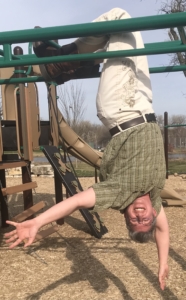
Sasha hanging from their knees, upside down on a playground climbing thing and joyfully smiling at the camera.

 .
.